7 Warning Signs of an Enlarged Prostate You Should Never Ignore
By VitalFitnessHub Editorial Team — June 8, 2026
Reviewed for accuracy by VitalFitnessHub Editorial Team
An enlarged prostate — medically known as Benign Prostatic Hyperplasia (BPH) — affects nearly 50% of men over the age of 50 and over 80% of men over 70. Despite being one of the most common conditions affecting men, millions continue to suffer in silence, either dismissing the symptoms as a normal part of aging or feeling too embarrassed to seek help.
The problem? Ignoring these warning signs doesn't make them disappear — it allows them to progressively worsen, and in some cases, leads to serious complications including urinary tract infections, kidney damage, or complete urinary retention requiring emergency treatment.
Here are the 7 warning signs of an enlarged prostate you should never ignore — and what you can do about them today.
1. Frequent Urge to Urinate (Even at Night)
One of the earliest and most disruptive symptoms of BPH is nocturia — waking up two or more times during the night to urinate. If you find yourself making repeated bathroom trips between 2 AM and 6 AM, your prostate may be pressing on your urethra and preventing your bladder from fully emptying.
The interrupted sleep alone creates a cascade of problems: low energy, poor concentration, irritability, and elevated cortisol levels that accelerate aging. Men with nocturia report significantly lower quality of life scores than those without the symptom.
What to watch for: Waking 2+ times per night consistently for more than 2 weeks.
2. Weak or Interrupted Urine Stream
A healthy urine stream should be steady and strong. If you notice your stream has become thin, weak, stop-and-start, or takes a while to get going, this is a hallmark sign that your enlarged prostate is compressing the urethra.
Many men compensate by straining or pushing, which actually worsens the condition over time by putting pressure on the bladder. The frustration of a weak stream is one of the most commonly reported complaints among men with BPH.
3. Feeling Like Your Bladder Is Never Fully Empty
Do you finish urinating but still feel like there's more? This sensation of incomplete bladder emptying — called urinary retention — occurs when the enlarged prostate obstructs the outflow of urine. Residual urine sitting in the bladder becomes a breeding ground for bacteria, dramatically increasing your risk of urinary tract infections.
In severe cases, the bladder may become so overstretched that it permanently loses its ability to contract properly — a condition called overflow incontinence.
4. Sudden, Urgent Need to Urinate With Little Warning
This is called urinary urgency — the sudden, overwhelming need to urinate that can hit at any moment, often with little time to reach the bathroom. Many men experience this urgency in public settings and live with constant anxiety about being too far from a restroom.
This symptom is caused by the bladder muscle becoming overactive as it works harder to push urine past the narrowed urethra. Over time, the bladder becomes hypersensitive and starts signaling urgency even when it's not full.
5. Dribbling at the End of Urination
Post-void dribbling — where urine continues to leak or dribble after you think you've finished — is a common and embarrassing symptom of BPH. It happens because the urethra retains some urine that doesn't drain properly due to the prostate obstruction.
Many men start wearing dark-colored pants or keeping extra clothing at work to manage the embarrassment. While this symptom is rarely discussed openly, it affects millions and significantly impacts confidence.
6. Difficulty Starting Urination (Hesitancy)
Also known as urinary hesitancy, this is the frustrating delay between wanting to urinate and actually being able to start. You stand at the toilet, willing it to happen, but your body won't cooperate. This can take anywhere from a few seconds to several minutes.
Hesitancy occurs because the enlarged prostate creates a physical barrier that requires extra bladder pressure to overcome. Over time, this straining weakens the bladder muscle.
7. Blood in the Urine
This is the most alarming sign on this list. Hematuria (blood in the urine) can appear as pink, red, or brownish discoloration and should never be ignored. While BPH can cause blood in the urine due to the straining and increased pressure on prostate blood vessels, it can also be a sign of more serious conditions including prostate cancer, bladder cancer, or kidney stones.
If you notice blood in your urine, seek medical attention immediately regardless of any other symptoms present.
What Can You Do About an Enlarged Prostate?
The good news is that you don't have to accept these symptoms as inevitable. Beyond medical interventions like alpha-blockers or surgery, there is growing evidence that targeted nutritional support can significantly improve prostate health and urinary function.
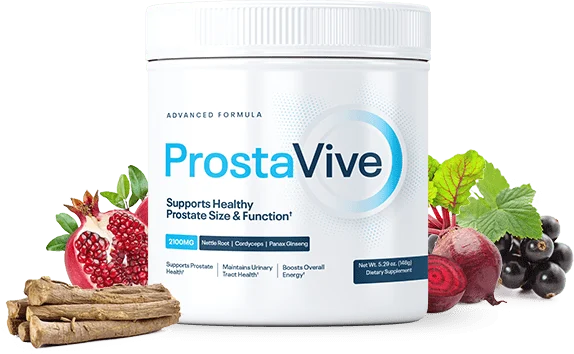
ProstaVive is a clinically-formulated powder that combines 8 powerful natural ingredients — including Boron, Tongkat Ali, Ashwagandha, Nettle Root, and Panax Ginseng — specifically chosen to support healthy prostate blood flow, reduce cellular buildup, and promote strong, comfortable urination.
Unlike prescription medications that come with side effects including dizziness, sexual dysfunction, and fatigue, ProstaVive uses 100% natural ingredients backed by decades of research.
Ready to support your prostate health naturally? Thousands of men are already experiencing stronger flow, better sleep, and renewed confidence with ProstaVive. >> Click here to try ProstaVive with a 180-day money-back guarantee
When to See a Doctor
While natural supplementation can meaningfully improve prostate health, some situations require immediate medical attention:
- Complete inability to urinate
- Blood in urine
- Severe lower abdominal pain
- Fever combined with urinary symptoms (possible infection)
- Symptoms that have worsened rapidly over days
Don't wait. The earlier you address prostate enlargement, the more options you have — and the better your outcomes will be.
Related reading
- Start here: Prostate Health After 50: The Complete Guide for Men
- What Causes an Enlarged Prostate? The 5 Drivers Behind BPH (and Which Ones You Can Change)
- BPH vs Prostate Cancer: How to Tell the Difference (And Why It Matters)
- Can an Enlarged Prostate Cause Back Pain? What It Usually Means Instead
Disclaimer: This article is for informational purposes only and does not constitute medical advice. Always consult your healthcare provider about any symptoms or before starting any supplement.
Clinically-studied doses: see the Prostate Health ingredient dosages backed by research