How to Quit Drinking Naturally: 9 Strategies That Actually Help You Cut Back or Quit
By VitalFitnessHub Editorial Team — July 31, 2026
Reviewed for accuracy by VitalFitnessHub Editorial Team
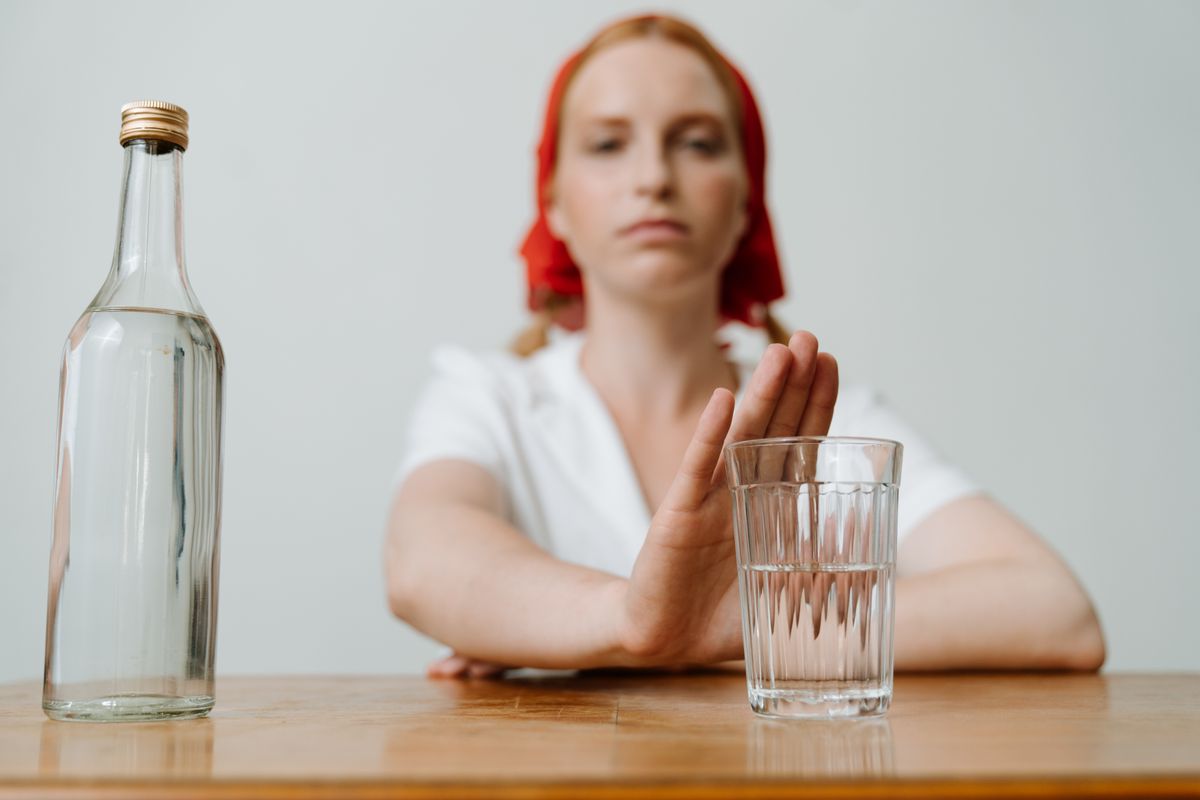
The moment most people notice a drinking habit has become a problem isn't dramatic. It's usually something small: pouring a second glass of wine before the first one's empty, buying an extra bottle "just in case," or realizing Tuesday night has quietly turned into a drinking night too. If you're searching for how to cut back or quit without checking into a facility, you're looking for a plan you can start today, in your own house, with things you already have access to.
That plan exists, and it doesn't require willpower alone. Below are nine strategies people use to change their relationship with alcohol — some are habit changes, some are physical, and one is knowing when natural strategies aren't enough and you need medical support instead.
1. Replace the Ritual, Not Just the Drink
Most drinking is scheduled without anyone deciding to schedule it. Wine with dinner. A beer when you get home. A cocktail because it's Friday. The drink is tied to a moment, and if you remove the drink without replacing the moment, the moment feels empty and you're more likely to cave.
Pick a specific substitute for your specific trigger time. If it's the after-work pour, that might be a walk around the block before you even go inside, or a sparkling water in the same glass you'd use for wine — the ritual of pouring something into a nice glass matters more than people expect. If it's the Friday-night cocktail, try scheduling something incompatible with drinking at that exact time: a class, a call with a friend, a workout.
2. Tell Someone, Specifically
"I'm cutting back," said to no one in particular, carries no weight. Telling one specific person — a partner, a sibling, a friend who doesn't drink much — and asking them to check in on a specific day carries weight, because now someone besides you knows if you followed through.
This doesn't have to mean a formal support group, though those help many people (AA, SMART Recovery, and online sobriety communities are all free or low-cost options). It means removing the privacy that lets a slip go unnoticed by anyone but you.
3. Track What You're Actually Drinking
Most people underestimate their own drinking by a wide margin, not because they're lying to themselves on purpose but because pours at home aren't measured and "a couple of drinks" quietly means four. Write down every drink for two weeks before you try to change anything. Not to judge yourself — to see the real number, the real days, and the real triggers: stress, boredom, specific people, specific hours.
Patterns you can see are patterns you can plan around. If Sunday afternoons are consistently the heaviest, that's the specific window that needs a specific plan, not a vague intention to "drink less in general."
4. Fix Your Sleep Before You Fix Your Drinking
Alcohol and sleep have a two-way relationship: poor sleep increases next-day cravings, and drinking — especially in the evening — disrupts the deeper stages of sleep even when it feels like it helps you fall asleep faster. Research on sleep and alcohol use consistently links poor sleep quality to higher relapse rates during attempts to cut back.
Practically, this means treating sleep as part of the plan, not an afterthought: a consistent bedtime, cutting caffeine after early afternoon, and dropping the "nightcap" belief that alcohol helps you sleep — it helps you fall asleep, then fragments the second half of the night.
5. Move Your Body, Especially in the Evening
Exercise doesn't cancel out drinking, but it does two useful things: it burns off some of the restlessness and stress that often trigger a drink, and it produces its own mood lift, which reduces how much you're relying on alcohol to feel calmer or more social. Evening movement — even a 20-minute walk — is particularly useful because it occupies the exact window when a lot of habitual drinking happens.
You don't need a gym plan. You need something that reliably gets you out of the kitchen and away from the fridge between 5 and 7pm.
6. Stay Ahead of Dehydration
Alcohol is a diuretic, and a lot of what people interpret as a craving is closer to thirst, especially in the afternoon. Drinking water consistently through the day — not just when you're already craving a drink — keeps you from mistaking dehydration for the urge to pour something.
A simple habit: a full glass of water before anything alcoholic, every time, no exceptions. It slows you down and it addresses the actual physical signal a good portion of the time.
7. Look at Herbal Aids With Realistic Expectations
Some people use herbal supplements as a minor support alongside behavioral changes — kudzu root has some early research interest for reducing the number of drinks consumed in a sitting, and milk thistle is commonly used to support liver function during periods of heavy drinking or while cutting back. Neither is a stand-alone solution, and the research base for kudzu in particular is limited and mixed. Treat these as a small supporting piece next to the habit and environment changes above, not a replacement for them.
8. Change What's in the House
Willpower is a limited resource, and depending on it every single evening is a losing strategy. Removing alcohol from the house — not just "not buying more," but actually not having it there — removes a decision point. If it takes a drive to the store to get a drink, you've added friction, and friction is often the difference between a craving that passes and one you act on.
9. Know When You Need Medical Support, Not Just a Plan
Natural strategies work for people whose drinking is a habit they want to break — but they are not appropriate for everyone. If you drink daily and heavily, and especially if you've experienced shaking, sweating, anxiety, or confusion when you've tried to stop before, that's a sign of physical dependence, and stopping abruptly can be medically dangerous. Alcohol withdrawal, unlike withdrawal from many other substances, can in severe cases include seizures. If that describes your drinking, the right first step is a conversation with a doctor about a supervised detox, not a habit-tracking app.
What the First Two Weeks Actually Look Like
The first few days of cutting back are usually the hardest not because of physical withdrawal (for most habitual, non-dependent drinkers, there isn't any) but because every trigger you've built over months or years is still fully intact — the same fridge, the same 6pm slump, the same friend group. Expect the urge to be strongest at the exact times you used to drink, not randomly throughout the day. That's actually useful information: it means you can prepare for specific windows instead of bracing for a vague, all-day struggle.
A few things that make the first two weeks more manageable:
- Stock the replacement before you need it. If you're swapping wine for sparkling water or a non-alcoholic beer, have it in the fridge before the craving hits, not after. Deciding what to drink instead in the moment is much harder than deciding in advance.
- Expect a bad night and plan for it, not around it. Assuming you'll succeed every single day sets up an all-or-nothing mindset where one slip feels like total failure. One drink on a hard night doesn't erase two weeks of progress — treating it that way is what actually derails people.
- Watch for the "reward" drink. A common failure point is using alcohol to celebrate the fact that you've been doing well — "I've been so good this week, I deserve one." That thought is worth catching specifically, because it's one of the more common ways a deliberate cutback turns into a full relapse.
Where a Structured Program Fits In
For people whose drinking is a habit rather than a severe physical dependence, one of the harder parts isn't the first few days — it's staying consistent once the initial motivation fades, and knowing what to do the next time a craving or a social situation shows up. That's the gap a program like Alcohol Free Forever is built to address: it's a self-paced digital program structured around a personal recovery story, walking through a method for handling cravings and social situations without alcohol, with daily email support built in so you're not figuring out day 47 alone.
It's not a medical detox program, and it's explicitly not a substitute for one if you're dealing with heavy physical dependence — see strategy 9 above. But for someone who wants a structured, private way to work through cutting back or quitting from home, it's one option worth knowing about alongside the strategies here.
Ready to try Alcohol Free Forever? >> Learn more about Alcohol Free Forever
A Note on Relapse
If you cut back for a few weeks and then have a heavier night than you planned, that's not proof the approach doesn't work — it's the most common part of the process. What matters more than any single slip is what you do the next day: going back to tracking, going back to the replacement ritual, and not treating one bad night as permission to abandon the previous three weeks of progress. People who succeed at cutting back long-term are rarely the ones who never slipped; they're the ones who had a plan for what to do after a slip instead of just hoping it wouldn't happen again.
Cutting back or quitting drinking rarely comes down to one decision made once. It comes down to a handful of small, specific changes — what's in the fridge, who knows your plan, what you do at 6pm instead of pouring a glass — repeated enough times that they become the new default. Start with one or two of the nine above, not all nine at once, and build from there.
Disclaimer: This article is for informational purposes only. Always consult a healthcare provider before starting any supplement, program, or fasting regimen, especially if you have a pre-existing medical condition or take medications.